
Understanding the Elements of Watchmaking: A Comprehensive Overview
Watches symbolize more than just time; they represent craftsmanship and creativity. As we dive into the intricate world of watchmaking, it’s essential to understand its core components: the movement, dial, case, and the craft that combines these elements. Whether you’re a horology enthusiast or someone simply intrigued by the artistry behind watches, grasping these fundamental aspects can deepen your appreciation for these timepieces.
In this guide, we will explore each crucial element that defines a watch. By understanding the movement that powers it, the dial that displays the time, the case that protects it, and the craft that fuses everything together, you’ll gain insights into why watches are celebrated around the globe. Let’s take a closer look at each component.
The Heart of a Watch: Movement
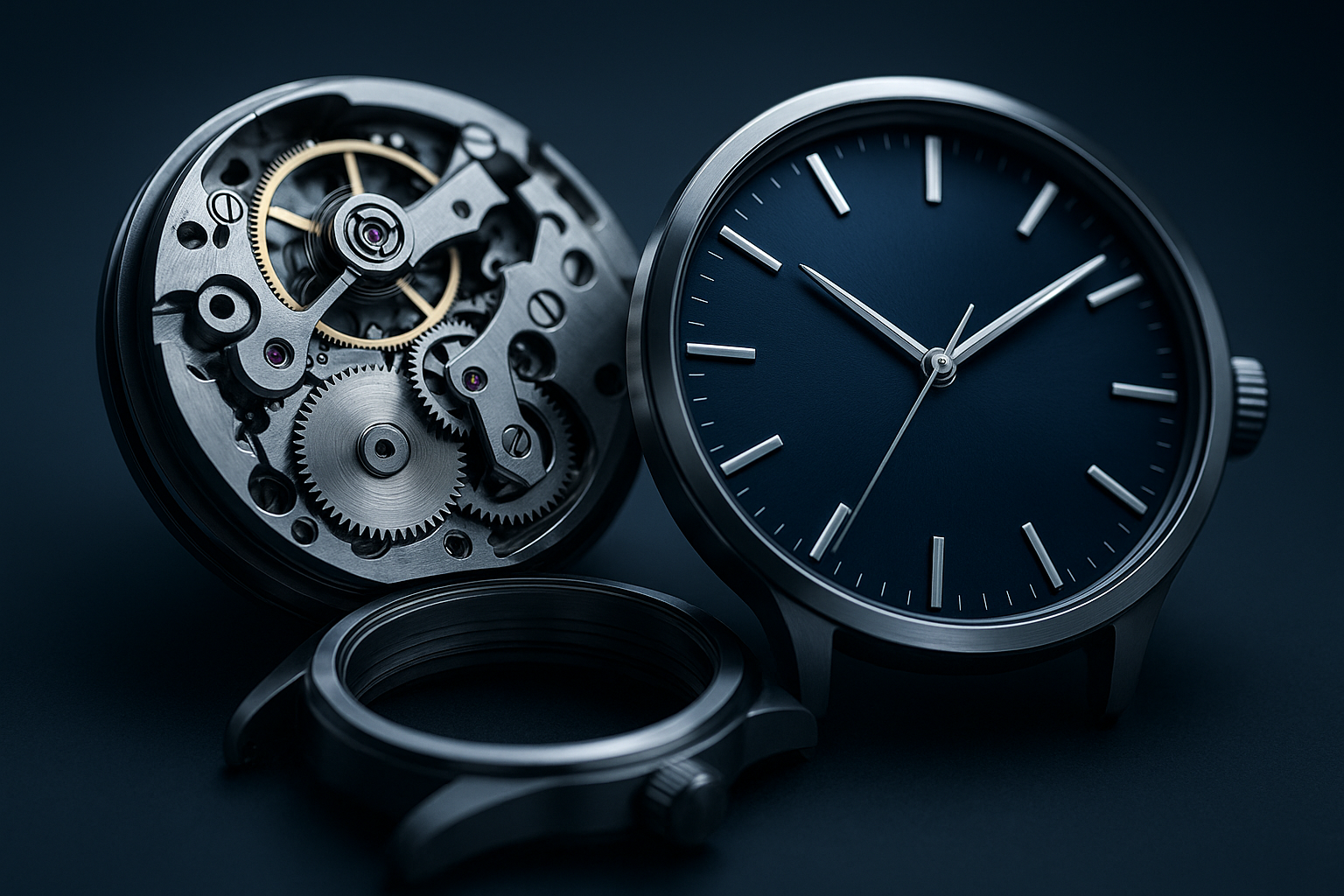
The movement of a watch, also known as the “caliber,” is akin to its heart. It serves as the engine that keeps the time, allowing it to function precisely. There are two primary types of movements in watches: **manual** and **automatic**.
- Manual Movement: This type requires the wearer to wind the watch regularly. It operates through a mainspring that must be tensioned to provide energy.
- Automatic Movement: Also known as self-winding, this mechanism uses the natural motion of the wearer’s wrist to wind itself. It’s convenient for those who wear their watches daily.
In addition to manual and automatic, there are also **quartz movements**. These are battery-operated and known for their accuracy and low maintenance. Understanding the differences in these movements can help you choose the right watch for your lifestyle.
Dial: The Face of Time
The dial is what people first notice when they look at a watch. It is the face that conveys vital information, including the time and often additional features. Dial design encompasses several elements:
- Hour Markers: These can vary widely from numbers to simple tick marks or even creative artistic elements.
- Hands: Different shapes and sizes give character to a watch, and their colors are often designed to contrast with the dial for clarity.
- Subdials: In more complex watches, subdials can display features like chronographs or additional time zones.
Beyond functionality, the **aesthetics** of the dial play a critical role in the overall appeal of the watch. A well-designed dial not only provides clear readability but also enhances the beauty of the timepiece.
The Case: Protection and Style
The case of a watch is its outer shell, protecting the intricate movements and dial from damage. Cases come in various materials, each offering different benefits:
- Stainless Steel: It’s durable, resistant to rust, and features a sleek finish, making it a popular choice.
- Gold: Luxurious and timeless, gold offers elegance but often comes at a high price.
- Titanium: Known for its lightweight and strength, titanium is great for those who prefer comfort.
- Plastic: Common in casual or sporty watches, plastic cases are lightweight and affordable.
Each material serves a purpose, enhancing not just the watch’s **durability** but also its **style**. The design of the case can dramatically affect how a watch looks and feels on the wrist, reflecting the personality of the wearer.
The Craft: Artistry Behind Watchmaking
Every watch is a product of skill and dedication. The craft of watchmaking is an intricate art that requires years of learning and perseverance. Here are some key aspects of the craft:
- Horology Skills: Watchmakers must master various techniques from machining to assembling tiny components with precision.
- Design Thinking: The aesthetic vision must align with functionality, ensuring that the watch not only looks good but is practical.
- Quality Control: Every watch undergoes strict testing to ensure it meets performance standards and withstands daily use.
The craftsmanship behind watchmaking is often celebrated through special editions or unique designs. This dedication results in limited releases that capture the attention of collectors and enthusiasts alike.
Putting It All Together
When movement, dial, case, and craft come together, they create a cohesive timepiece that is more than an accessory. It’s an expression of **individuality**, a blend of tradition and innovation. Watch collectors often appreciate not just the mechanics, but also the story behind each piece.
Whether you’re considering a watch for daily wear or as a collector’s item, understanding these elements can provide you with the knowledge to make an informed decision. Appreciating the intricacies of watchmaking brings you closer to the artistry involved and allows you to choose a timepiece that genuinely resonates with your style and needs.
Conclusion: The Time You Wear
In conclusion, watches hold a unique place in our society, representing artistry, precision, and style. By understanding the vital components of a watch—its movement, dial, case, and craft—you gain insight into what makes each piece special. This knowledge not only enriches your experience as a wearer but also enhances your understanding of horology as a fascinating field.
As you explore the world of watches, consider what resonates with you personally. Are you drawn to intricate movements, bold designs, or the story of craftsmanship? Each watch tells its own time, and in that, there is a world waiting to be discovered.