
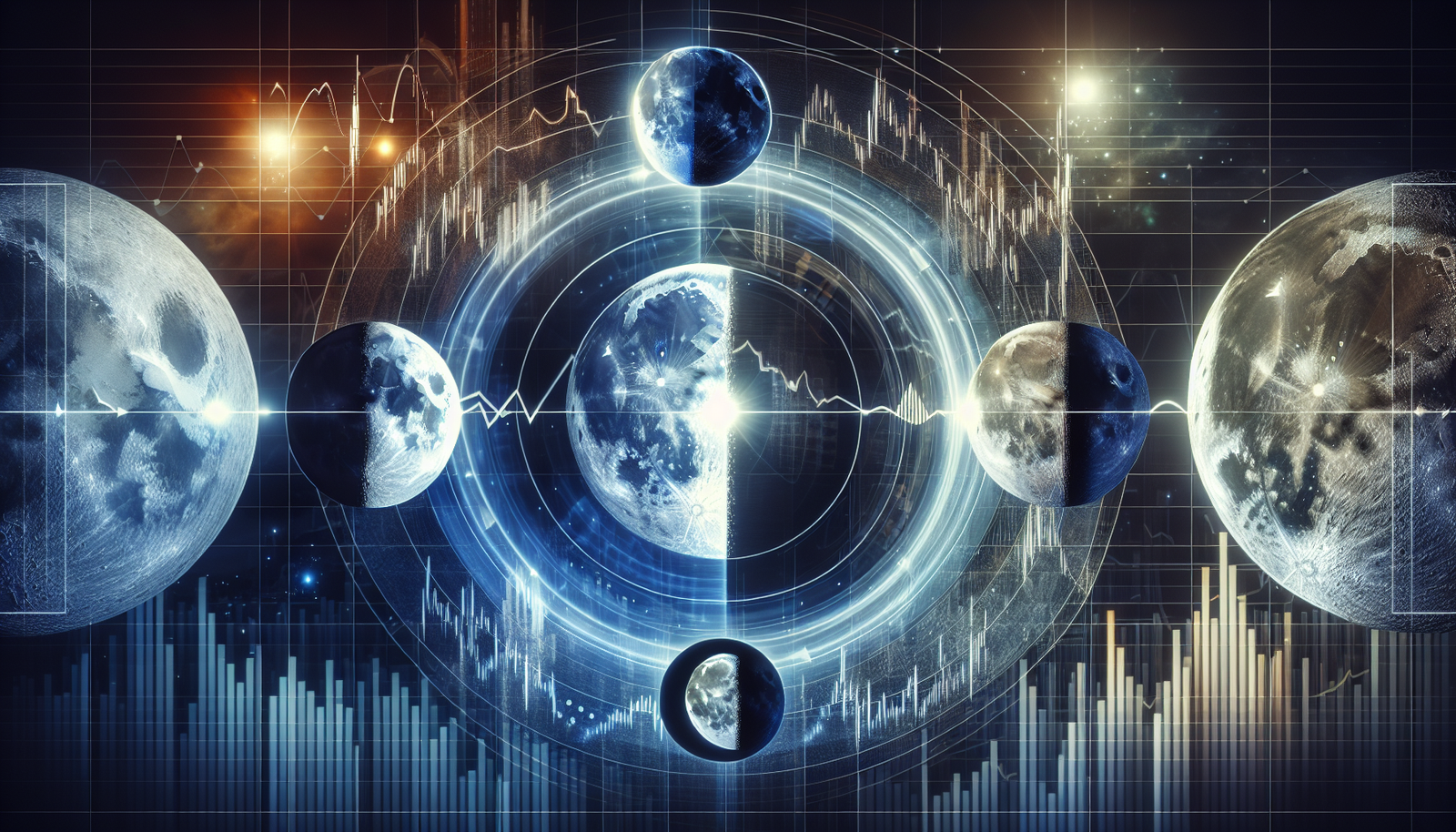
Exploring the Cosmic Connection: Moon Phases and Market Psychology
When you think of astrology, images of zodiac signs and horoscopes may come to mind. However, many tend to overlook a significant factor in astrology: the influence of the moon. The moon phases, specifically, play a critical role in shaping our emotions, behaviors, and decision-making—elements that, in turn, can significantly impact market psychology and investor behavior.
As an ever-changing celestial body, the moon waxes and wanes through various phases, each carrying distinct energies and influences. Just like the tides it governs, the market also experiences its highs and lows, deeply intertwined with our inner psychological landscape. Understanding how the moon phases affect market psychology provides valuable insights for investors and can enhance decision-making in a volatile financial world.
The Basics of Moon Phases
Before diving into the correlation between moon phases and market psychology, it’s essential to understand what each phase signifies.
- New Moon: Considered a time of new beginnings, the new moon symbolizes potential and intention-setting. It’s an excellent time for fresh starts or investments.
- Waxing Crescent: As the moon begins to grow, so too does optimism. This phase encourages planning and taking small actions towards objectives.
- First Quarter: A phase of decision-making and overcoming obstacles. Investors may feel more decisive and ready to take calculated risks.
- Waxing Gibbous: Anticipation builds during this phase, as projects and investments are nearing fruition. Confidence generally peaks.
- Full Moon: A time of culmination and high energy. Emotions are heightened, and markets may experience peaks and troughs due to widespread sentiment.
- Waning Gibbous: A period of reflection. Investors often take stock of their portfolios and make adjustments based on recent performances.
- Last Quarter: A time to release what no longer serves us. Investors might pull back or liquidate to minimize losses.
- Waning Crescent: A restful phase, ideal for contemplation and planning. Investors are urged to take a step back and reassess strategies.
The Moon’s Influence on Emotions
One of the primary factors at play in market psychology is human emotions. The moon significantly influences how we feel, think, and behave. During each phase, different emotions may take center stage, impacting our willingness to engage in risk-taking or caution.
For instance, during a full moon, people may feel more emotional and impulsive, potentially leading to increased buying or selling in the markets. Conversely, during the new moon, individuals may feel more hopeful and ready to invest for the future. This emotional undercurrent contributes to market fluctuations and buying/selling trends.
Historical Instances of Moon Phases and Market Movements
Throughout history, there have been various instances highlighting the connection between moon phases and market activity. By examining these trends, we can better appreciate how investors typically respond to celestial events.
- September 2001: Shortly after the new moon, market sentiment turned cautious following significant events. This reflects how the energies associated with the moon phases can create shifts in confidence.
- October 1987: The infamous stock market crash occurred just after a full moon. Panic and heightened emotions led to rash decisions by investors, causing steep declines in stock prices.
- March 2020: In the months surrounding the new moon, there was significant market volatility due to global uncertainties. This period highlighted how the moon phases can accentuate prevailing market sentiments.
Understanding Investor Behavior Through Astrology
By integrating astrological insights, we can gain a deeper understanding of investor behavior during different moon phases. Here are some key points:
- Risk Appetite: Investors tend to take more risks during the waxing moon phases, while conservative behaviors arise during the waning moon phases.
- Market Sentiment: Emotional highs are common during full moons, often leading to bullish behavior, while dark moons might incite caution or bearish sentiment.
- Buying and Selling Patterns: Investors frequently engage in buying during waxing phases and selling during waning phases due to fluctuating emotions and expectations.
The Impact of Lunar Eclipses on Market Activity
Lunar eclipses serve as profound astronomical events linked to significant market changes. When a lunar eclipse occurs, it often corresponds to major turning points in market psychology and investor behavior.
During a lunar eclipse, the energetic effects can amplify emotional responses, leading to more pronounced trends in trading.
- Market Volatility: Eclipses can bring unexpected changes, resulting in heightened volatility in the markets. Investors may experience swift shifts in sentiment.
- Clarity and Resolution: Following a lunar eclipse, many individuals gain clarity on their investments, prompting re-evaluations and potential portfolio adjustments.
How to Use Moon Phases for Investment Strategies
Armed with insights about moon phases and their influence on market psychology, investors can develop strategies tailored to lunar rhythms. Here are some tips for incorporating this cosmic wisdom into your investment approach:
- Invest during New Moons: This phase is favorable for entering new investments or ventures as it symbolizes fresh beginnings.
- Monitor Full Moons: Exercise caution during full moons and consider taking profits or reallocating assets based on heightened emotional volatility.
- Reflect in Waning Phases: Use the energy of waning phases for careful assessment and risk management. This is a good time to analyze past investments and consider necessary adjustments.
- Set Intentions: As the new moon represents new intentions, set clear goals for your investment strategies at the beginning of this phase.
Conclusion: Aligning Investments with Cosmic Cycles
Understanding how the moon phases affect market psychology and influence investor behavior opens a new avenue for developing astute investment strategies. By aligning your financial decisions with the natural rhythms of the moon, you can tap into a powerful source of emotional insight and market predictability. Consider incorporating this celestial wisdom into your trading practices and watch as your awareness deepens, transforming the way you approach investments.
As you navigate the dynamic world of financial markets, never underestimate the influence of cosmic cycles. The moon, in all its phases, holds secrets that can empower you to make informed, timely decisions in your investment journey. Embrace the lessons, and let the moon guide you toward financial success!